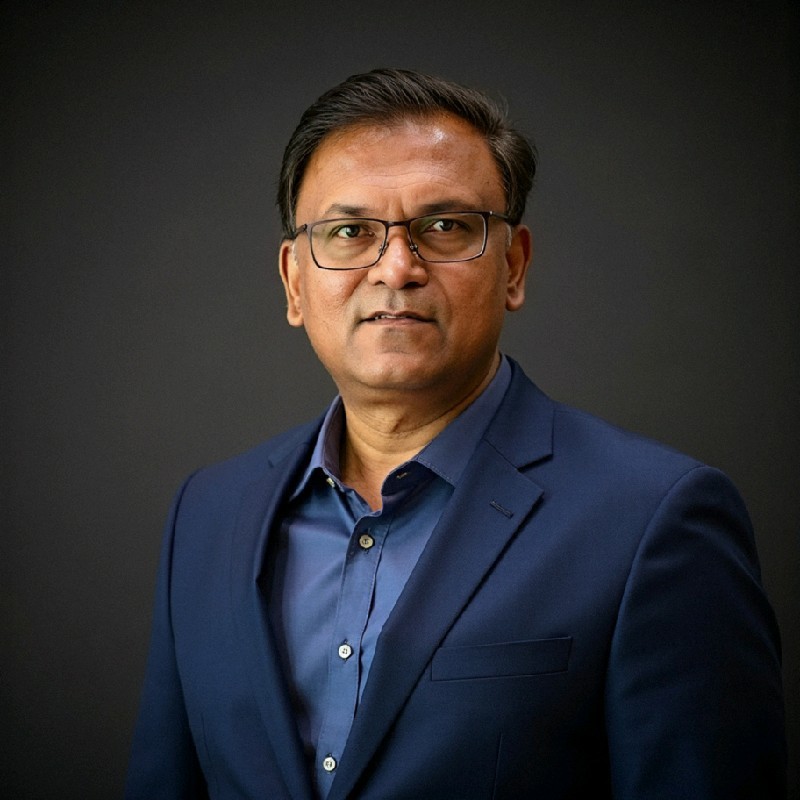
Hon'ble Adviser to the Prime Minister, Education and Primary & Mass Education
GUEST & SPEAKER STRUCTURE
Chief Guest: Mr. Faqir Mahbub Anam, MP — Hon'ble Minister, Ministry of Science and Technology
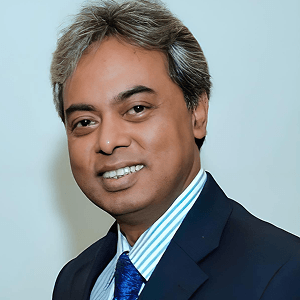
Special Guest: Dr. Mahdi Amin — Hon'ble Adviser to the Prime Minister, Education and Primary & Mass Education
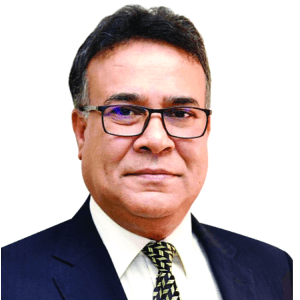
Moderator: Md. Anwar Hossain, Secretary, Ministry of Science and Technology
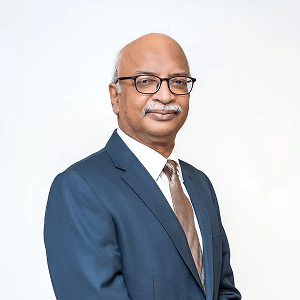
Panelists (Private): Dr. Arif Dowla- Vice Chairman (Representing Advanced Chemical Industries Ltd.)
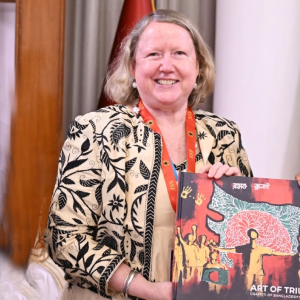
Panelists (Development Partner): Dr. Susan Vize, Officer in Charge, UNESCO
Panelists (Development Partner): Ms. Maha Abu Emier, International Project Manager, UNDP
Panelists (Academia Representative): Prof. M. Tamim, Vice Chancellor, Independent University, Bangladesh
CONTEXT & BACKGROUND
Bangladesh produces hundreds of thousands of graduates a year, yet surveys by BIDS and the World Bank consistently find high graduate unemployment alongside employers who report acute shortages of industry-ready technical skills — a mismatch, not a shortage. STEM disciplines account for a modest share of tertiary enrolment (UGC annual reports), laboratory and applied-research capacity is thin outside a handful of institutions, and structured internships remain the exception rather than the rule. The Fourth Industrial Revolution will make this gap costlier: the World Economic Forum's Future of Jobs research projects that a large share of core job skills will change within five years, placing a premium on graduates who can practise, not just pass.
SYNOPSIS
Bangladesh's ability to move innovation to market depends on the strength and industry-readiness of its science, technology, engineering and mathematics talent. This plenary focuses on the question at the heart of the core agenda: how to make sure STEM graduates learn real industry practice, and which policies will guarantee that STEM graduates leave university industry-fit. It examines curriculum reform, laboratories and applied research, industry-linked learning, internships and apprenticeships, digital and AI literacy, and inclusion — treating STEM not as an education issue alone, but as the human-capital backbone of the innovation economy.
OBJECTIVE OF THE SESSION
Identify how Bangladesh can align STEM education with industry practice — through curriculum, labs, internships and standards — and define the policies that will ensure every STEM graduate is industry-fit on day one.