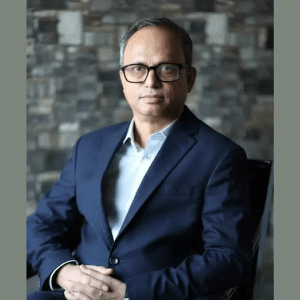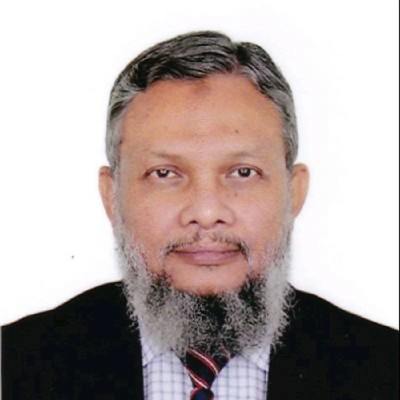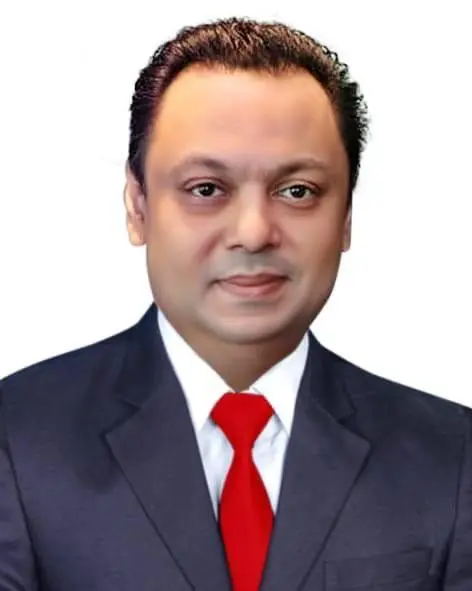

Hon'ble Adviser to the Prime Minister, Education and Primary & Mass Education
Country Head of Global Network Banking, Corporate and Institutional Banking, HSBC

Private Sector, Circular Economy, Environment. European Union Delegation to Bangladesh.
GUEST & SPEAKER STRUCTURE
Chief Guest: Mr. Amir Khosru Mahmud Chowdhury, Hon'ble Minister, Ministry of Finance
Moderator : Md. Mahbub ur Rahman, Chief Executive Officer (CEO), HSBC Bangladesh / Dr. Rubana Huq , Vice Chancellor, Asian University for Women
Panelist (Government): Member, NBR
Panelist (Private): Ziaur Rahman, Regional Country Manager at H&M
Panelist (Private): Mahmud Hasan Khan, President, BGMEA
Panelist (Global Partner): Nuria Lopez, Managing Director of Zalo Knitting Limited and President of EuroCham Bangladesh
Panelists (Academia Representative): Representative from BUTEX
CONTEXT & BACKGROUND
Ready-made garments earn Bangladesh around US$40 billion a year - over four-fifths of total export receipts (Export Promotion Bureau / BGMEA) - and employ roughly four million workers. The sector is also resource-hungry: conventional wet processing can consume 80–150+ litres of water per kilogram of fabric, several times international best practice (IFC PaCT programme), while energy and chemical costs squeeze already-thin margins. Bangladesh has proven the green-factory case - 280+ LEED-certified plants, including most of the world's top-ranked platinum factories (USGBC) - but adoption of water-, energy- and waste-cutting technology across thousands of tier 2/3 factories, and the policy incentives to reward those who innovate, remain the industry's unfinished business. Global innovation like waterless dyeing with supercritical Carbon-Dioxide and other technology need to be reviewed and adapted with local resources for the further competitiveness and sustainability.
SYNOPSIS
Bangladesh has world-scale apparel manufacturing capability, but future competitiveness depends on producing more value with fewer resources. In line with the core agenda, this plenary spotlights the new innovations that help RMG cut cost by saving water, saving energy and reducing waste - from low-liquor dyeing, ETP water recycling and heat recovery to automation, AI-driven production analytics and circular use of textile waste (jhut) - and asks which policies should patronize the manufacturers and technology providers who bring such innovation to the sector. Manufacturers, buyers, technologists, financiers and policymakers will connect factory-floor transformation with green finance, buyer collaboration and higher-value product development.
OBJECTIVE OF THE SESSION
Identify the innovations that cut cost through water, energy and waste efficiency in apparel and textile manufacturing, and define the policy and financing instruments that will patronize innovators and drive sector-wide adoption.