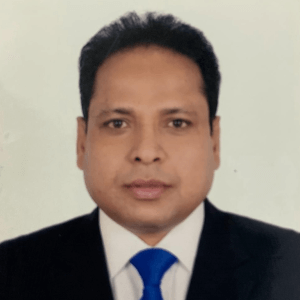
Hon'ble Adviser to the Prime Minister for the Ministries of Finance and Planning

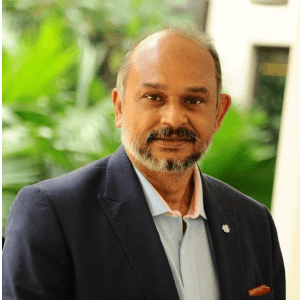
Managing Partner at pi STRATEGY, and member of international Expert Network at the World Economic Forum
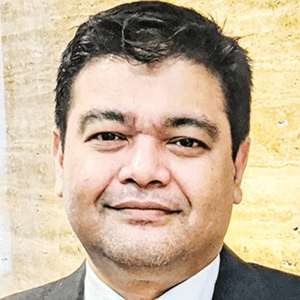
Chief Executive Officer (CEO), Riverstone Capital Limited and Former President of DCCI
GUEST & SPEAKER STRUCTURE
Chief Guest: Dr. Rashed Al Mahmud Titumir — Hon'ble Adviser to the Prime Minister for the Ministries of Finance and Planning
Chair: Mr. Ahsan Habib — Acting Chairman, National Board of Revenue (NBR)
Moderator: Forkan Bin Quasem, Managing Director, Spectrum Engineering Consortium (Pvt.) Ltd.
Participants: Senior officials of finance and planning ministries, NBR, regulators, industry associations, universities, research institutions and innovative enterprises
CONTEXT & BACKGROUND
Bangladesh invests well under 0.3 percent of GDP in research and development (UNESCO Institute for Statistics) — compared with roughly 2.4 percent in China and nearly 5 percent in South Korea — and the bulk of that spending is public rather than corporate. Resident patent filings number only a few hundred a year (WIPO), and firms report that import duties on research equipment, slow certification and the absence of meaningful R&D tax relief make innovation investment commercially unattractive. Economies that industrialized successfully used deliberate fiscal instruments — super-deductions for R&D, duty-free research inputs, regulatory sandboxes and government first-purchase — to shift private capital toward innovation.
SYNOPSIS
Research and product development require investment before commercial return, which discourages companies, SMEs, startups and research institutions from taking innovation risks. Convening the government's most senior economic policymakers with the National Board of Revenue, this roundtable examines how tax and fiscal incentives, grants, innovation-friendly regulation, testing and certification reform and public procurement can make R&D financially viable and commercially relevant in Bangladesh — and how the proposed Innovation Hub can connect promising R&D projects with these support instruments.
OBJECTIVE OF THE SESSION
Identify the specific policy, fiscal and regulatory mechanisms — tax credits, duty relief, sandboxes, grants and procurement — that will move private capital into R&D and carry research outputs into commercialization.