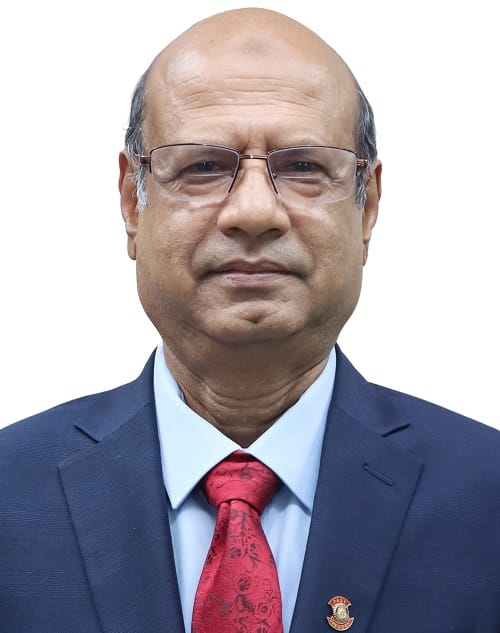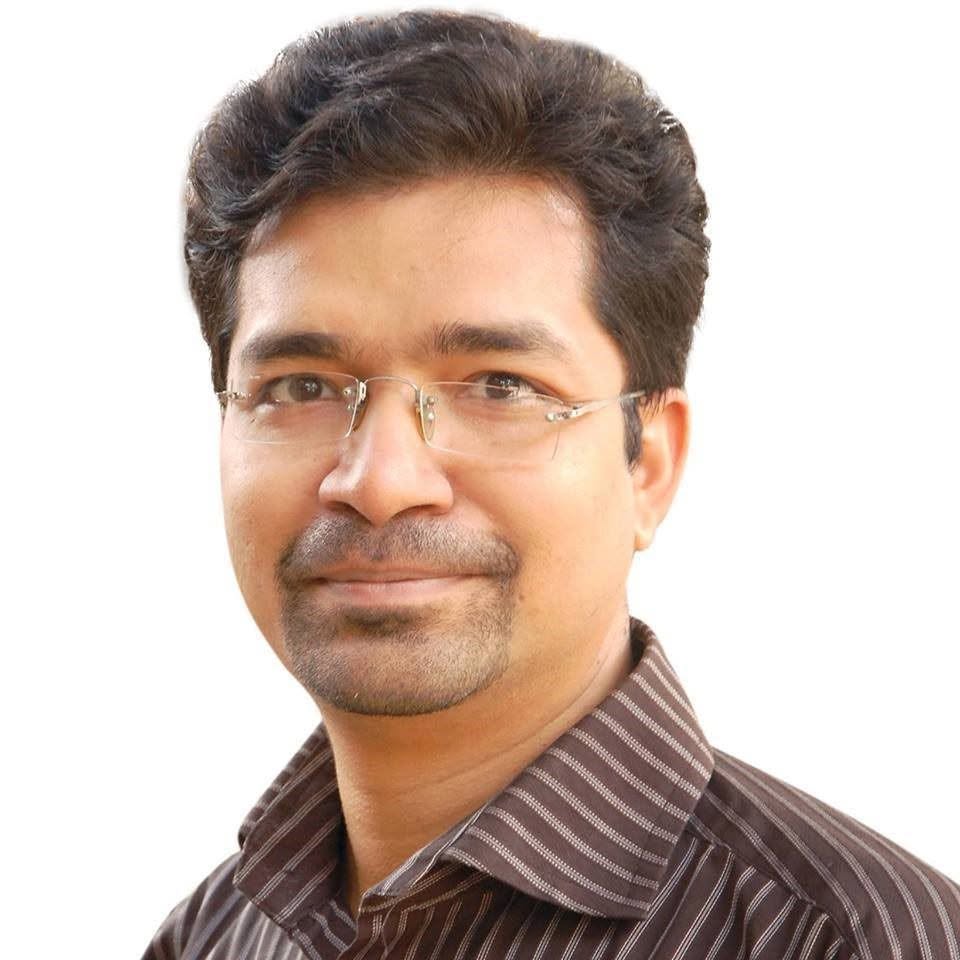
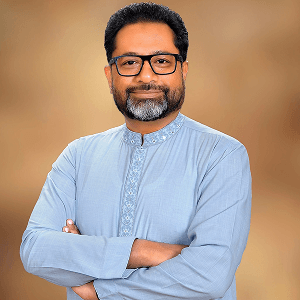
MP Hon'able State Minister, Ministry of Housing and Public Works

Project Manager, United Nations Office for Project Services (UNOPS)
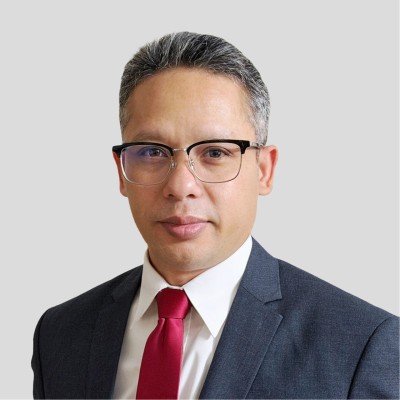
Chief Executive Officer and Managing Director, Siam City Cement (Bangladesh) Ltd
GUEST & SPEAKER STRUCTURE
Chief Guest: Mr. Ahmed Sohel Monjur, MP — Hon'ble State Minister, Ministry of Housing and Public Works
Panelist (Government): Chairman- RAJUK / PWD;
Panelist (Development Partner): UNDP
Panelist (Academia/Research) : Engineer Mohammad Abu Sadek, Executive Director of Center for Housing and Building Research;
Panelist (Academia/Research) : Institute of Architects Bangladesh (IAB)/ BUET/ BRAC University- Dean Architect Dept.
Panelist (Private): Dr. Kanthasat Boontem, Chief Executive Officer and Managing Director, Siam City Cement (Bangladesh) Ltd. (Promised)
Panelist (Private): Dr. ASM Obaidullah Mahmud, Head of R&D, Berger Paints Bangladesh Ltd.
Panelists (Diaspora- Urban Planner): Eng. Nabila Noor Khuhu, Director of Planning and Development, City of Garland, Texas Government.
CONTEXT & BACKGROUND
Construction is one of Bangladesh's fastest-growing sectors, contributing roughly 9 percent of GDP (BBS) and creating around 2.5 million-3 million employment. while buildings and construction account for over a third of energy-related emissions globally (UNEP Global Status Report). Bangladesh has already proven that the green industry pays: it hosts more than 280+ LEED-certified green factories — including a majority of the world's top-rated platinum facilities (USGBC) — yet green practice remains concentrated in export manufacturing rather than mainstream real estate and public infrastructure. With rapid urbanization pushing Dhaka and secondary cities to build at record pace, greener materials, energy-efficient design and resilient infrastructure represent both a climate necessity and a large commercial market.
SYNOPSIS
Bangladesh's infrastructure and construction boom is a major opportunity to reduce resource use, improve resilience and accelerate low-carbon development. This session focuses on practical innovation across cement, steel, coatings, building systems, energy efficiency, circular materials and digital construction, and on how to patronize green infrastructure solutions so they move from isolated showcase projects into mainstream commercial adoption. Infrastructure financiers, construction-material leaders, architects, developers and public agencies will examine the standards, financing models and procurement mechanisms that can create demand for sustainable construction at scale.
OBJECTIVE OF THE SESSION
Identify market-ready pathways for greener, lower-carbon and climate-resilient construction — and define the patronage instruments (finance, standards, procurement) that will make green infrastructure the commercially preferred choice.