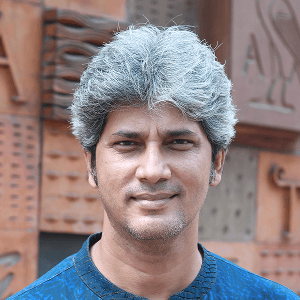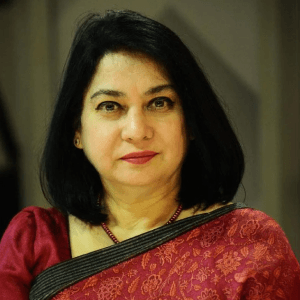
GUEST & SPEAKER STRUCTURE
Chief Guest: Mr. Zonayed Abdur Rahim Saki, MP, Honorable Minister of State, Ministry of Planning
Moderator: Mr. Kazi Faisal Bin Seraj — Country Representative, Bangladesh, The Asia Foundation
Panel (Government): Mohammad Navid Safiullah, Additional Secretary, Ministry of Environment, Forest and Climate Change
Panel (Academia): Ainun Nishat, Engineer and former vice-chancellor, BRAC University
Panel (Academia): Dr Fahmida Khatun, Research Fellow, Centre for Policy Dialogue (CPD)
Panel (Development Partner) : Marjan Nur, Climate and Environment Adviser, British High Commission
Panel (Development Partner) : Nathaniel Smith, Head of climate and Environment, British High Commission
Panel (Private): Bitopi Das Chowdhury, Country Head- Corporate Affairs, Standard Chartered Bangladesh
1. Background and Rationale
Bangladesh remains highly exposed to the impacts of climate change, including extreme heat, floods, cyclones, salinity intrusion, river erosion, water stress and ecosystem degradation. These risks increasingly affect livelihoods, food and water security, public health, infrastructure and economic opportunities, particularly for young people and communities in climate-vulnerable areas.
Over the years, Bangladesh has developed an important foundation for climate action through national climate policies, adaptation plans and resilience initiatives. However, significant challenges remain in translating policy commitments into coordinated and scalable action. Gaps in institutional coordination, access to finance, technical capacity, innovation support, market access and meaningful participation in decision-making continue to constrain the effectiveness and scale of climate solutions.
Young people are particularly important in addressing these challenges. Bangladesh has a growing community of youth climate activists, innovators, entrepreneurs, researchers and community leaders developing locally relevant responses to climate risks. Yet many youth-led initiatives struggle to move beyond pilot or community level due to limited access to finance, technology, skills, institutional support, markets and strategic partnerships.
The Green Voices Project seeks to strengthen the participation and leadership of women and young people in climate action by connecting climate advocates and innovators with knowledge, networks, decision-makers and opportunities. As part of its 2026 activities, The Earth Society will lead the Climate Innovation component of the Bangladesh Innovation Fair 2026, creating a platform to showcase locally developed climate solutions and facilitate connections among innovators, policymakers, investors, development partners and other stakeholders.
The proposed National High-Level Policy Dialogue will build on this platform by bringing together policymakers, development partners, private sector representatives, financial institutions, academia, civil society and youth climate actors. The dialogue will examine how Bangladesh can create a stronger enabling ecosystem for youth-led climate action and transform climate vulnerability into opportunities for innovation, green employment, entrepreneurship, investment and resilient development.
2. Purpose
● The dialogue will provide a national platform to connect climate policy, youth leadership and innovation and identify practical measures to enable young people to contribute more effectively to Bangladesh's climate resilience and green transition.
● The discussion will focus on moving from recognition of youth as climate stakeholders towards their meaningful participation as decision-makers, innovators, entrepreneurs and implementers.
3. Objectives
The dialogue aims to:
Strengthen youth participation in climate governance by identifying pathways for meaningful engagement in policy development, implementation and decision-making.
Identify barriers to youth-led climate action, particularly in access to finance, skills, technology, markets, institutional support and partnerships.
Promote climate innovation and entrepreneurship by connecting locally developed solutions with government programmes, private investment, development support and market opportunities.
Explore opportunities for green jobs and skills development in emerging areas of the green and climate-resilient economy.
Strengthen collaboration among key stakeholders to create an enabling ecosystem for youth-led climate solutions and locally led adaptation.
Generate practical policy and partnership recommendations that can support the scaling of promising youth-led climate initiatives.